
When I look at modern vehicles, it’s pretty clear that knowing how braking systems work matters—a lot. Every driver should have at least a basic grasp of this stuff for their own safety.
Vehicle braking systems fall into two main categories: hydraulic braking systems and mechanical braking systems, each using different methods to slow or stop your car.
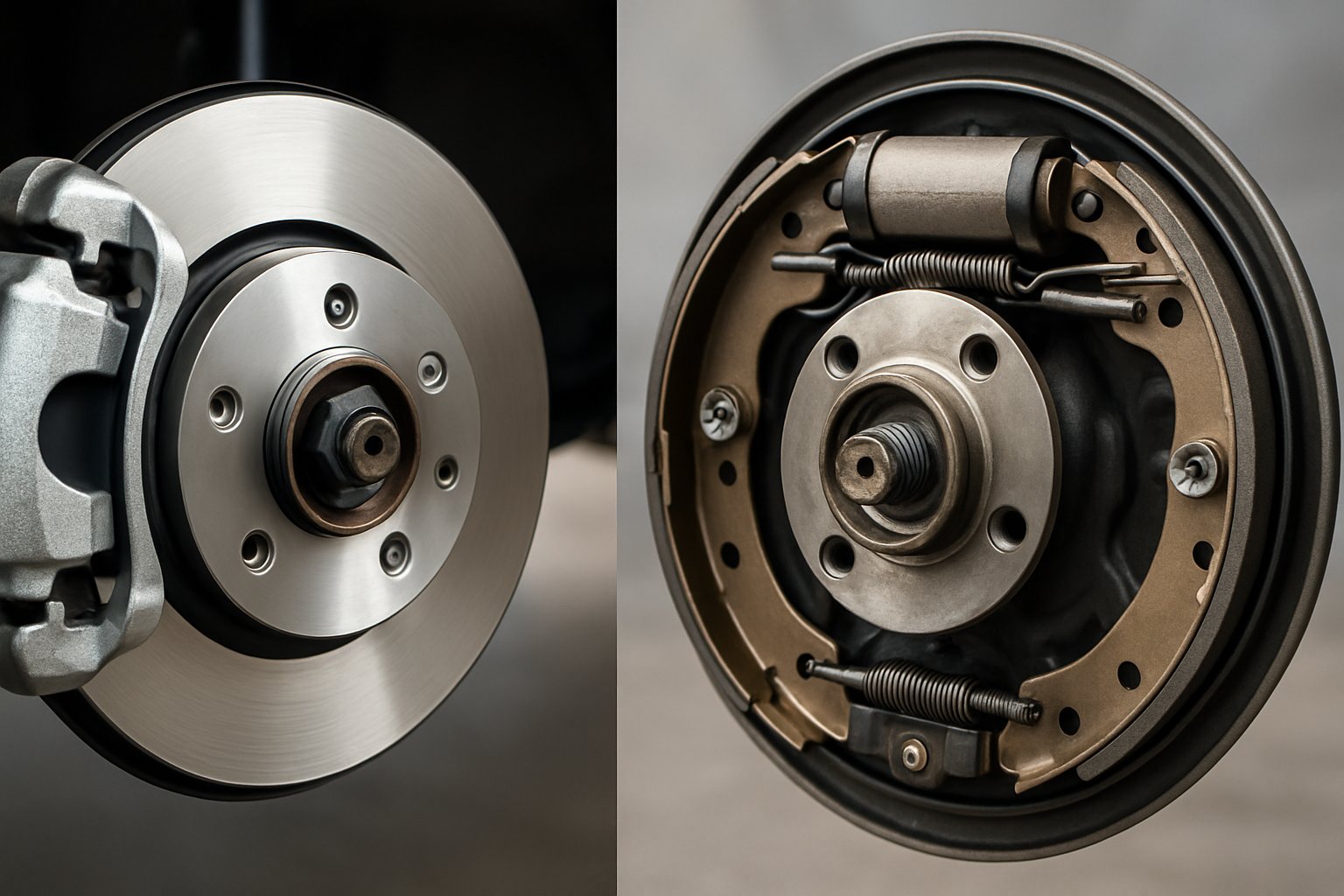
Hydraulic systems use brake fluid pressure to transfer force from your brake pedal to the wheels. This is what gives you that smooth, responsive feel in most cars today.
Mechanical systems are more old-school. They rely on things like cables and levers to apply braking force straight from your foot to the brakes.
Let’s dig into how these systems work, where you’ll find them, and what kind of maintenance they need. There’s also some cool innovation happening in this area—worth a look if you’re into cars or just curious.
Overview of Two Types of Vehicle Braking Systems
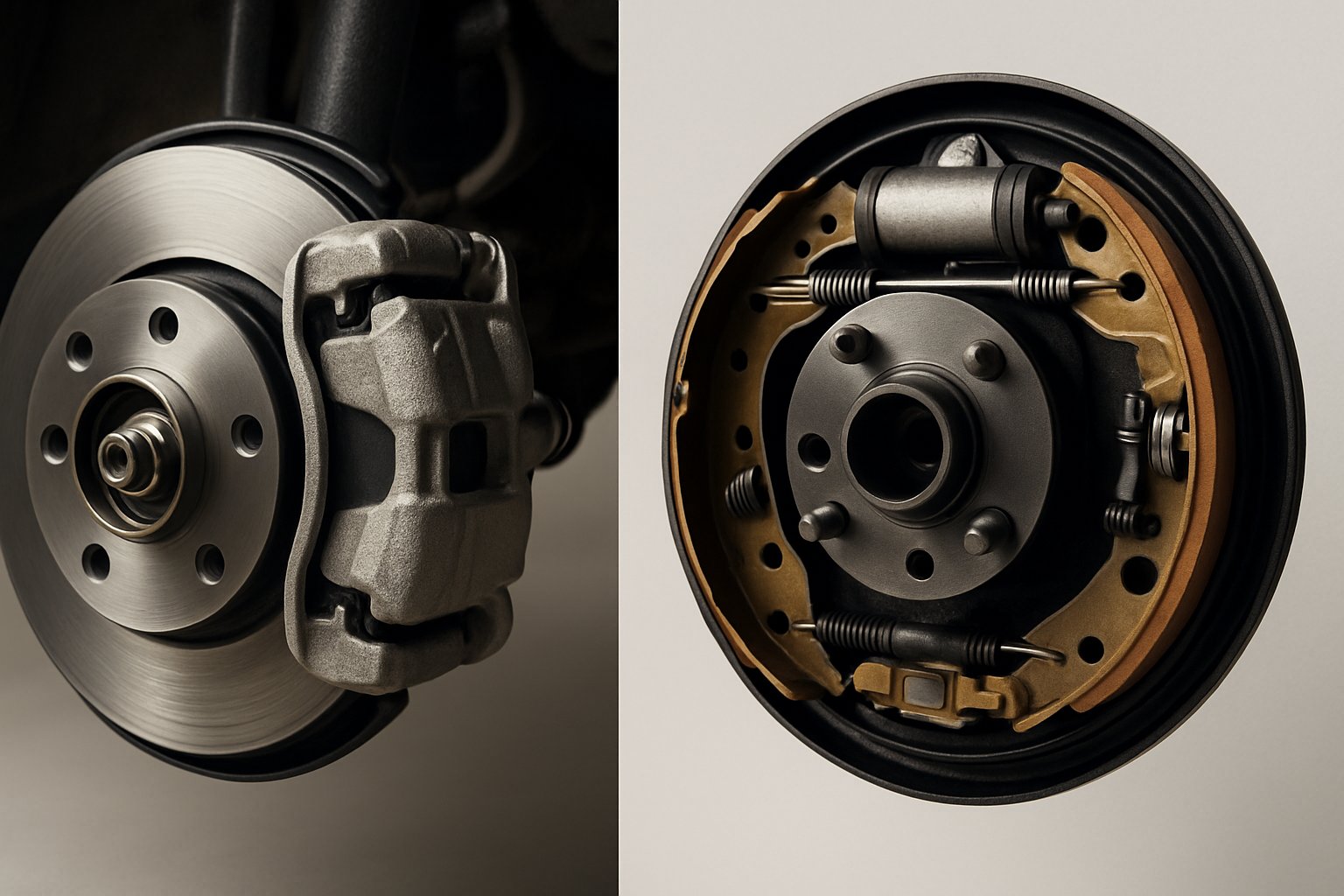
Braking systems mostly fall into two camps: disc brakes and drum brakes. Each uses a different way to create friction and stop your car.
Disc brakes are known for handling heat well. Drum brakes, on the other hand, are cheaper to make and maintain—at least up front.
Definition and Purpose
Disc brakes use a flat, circular disc attached to the wheel. When you hit the brake pedal, pads squeeze both sides of the disc and slow things down through friction.
Drum brakes? They’re a bit different. There’s a hollow drum attached to the wheel, and brake shoes push outward against the drum’s inside wall to slow you down.
Both systems do the same basic job: turning your car’s motion into heat so you can stop when you need to.
Key Components:
- Disc brakes: Brake disc, brake pads, calipers
- Drum brakes: Brake drum, brake shoes, wheel cylinders
Both types usually rely on a hydraulic system. You press the pedal, fluid moves, and the brakes engage.
Key Differences
There are some important differences here. The biggest? Heat dissipation. Disc brakes are way better at shedding heat than drum brakes.
Disc brakes have the disc exposed to air on both sides, so heat escapes fast. Drum brakes trap heat inside, which can hurt performance when things get hot.
Performance Comparison:
| Feature | Disc Brakes | Drum Brakes |
|---|---|---|
| Heat management | Excellent | Limited |
| Maintenance | Easier | More complex |
| Cost | Higher | Lower |
| Water resistance | Better | Weaker |
Maintenance is easier with disc brakes. You can check the pads without pulling the wheels off. Drum brakes? Not so much—you’ve got to remove the drum, which is a hassle.
Drum brakes are cheaper to install, but disc brakes usually last longer and don’t need as much attention over time.
Importance in Automotive Safety
Honestly, I think the braking system is the single most important safety feature on any car. The type of brakes you have can really change how well you stop in a pinch.
Most modern cars use disc brakes up front, since those wheels handle most of the stopping force. When you brake, weight shifts forward—front brakes do the heavy lifting.
Lots of cars mix it up: disc brakes in front for power, drum brakes in back to save on cost and maintenance for lighter braking jobs.
Safety Benefits:
- Consistent stopping distances
- Less brake fade when things get hot
- Better control when roads are wet
- Steady performance in different temperatures
The type of brakes you have actually impacts your car’s safety rating. Four-wheel disc brakes usually mean shorter stopping distances and better emergency stops.
Hydraulic Braking System
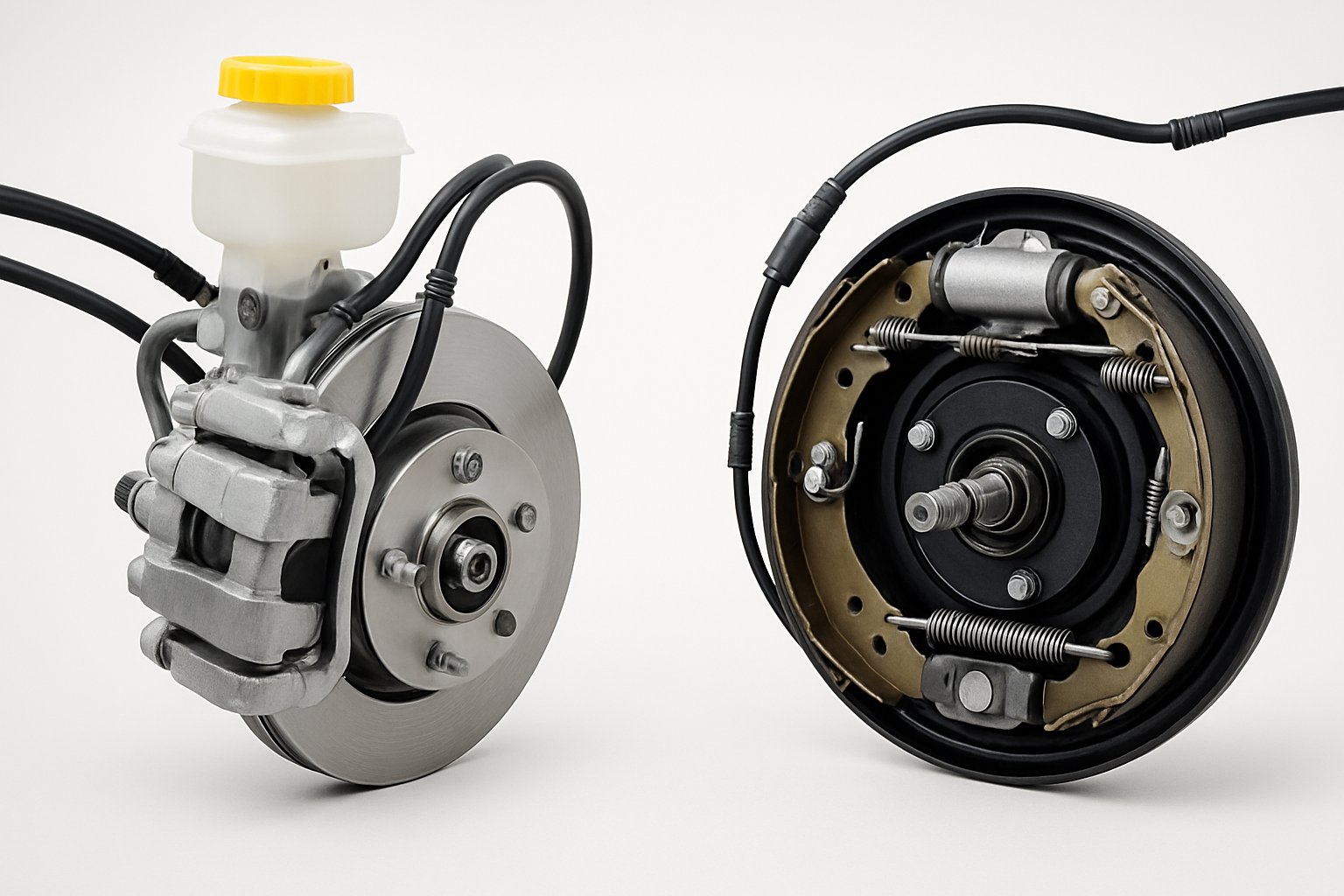
Hydraulic braking systems use pressurized brake fluid to transfer force from the pedal to the wheels. They rely on Pascal’s principle to multiply force and keep things balanced across all wheels.
Operating Principle
It’s all about Pascal’s principle—the idea that pressure in a fluid is transmitted equally in all directions. Press the pedal, you move a piston in the master cylinder.
That creates pressure in the brake fluid, which shoots through the lines to each wheel. All four wheels get the same pressure, pretty much instantly.
At each wheel, pressure pushes pistons in the calipers or wheel cylinders. Those pistons shove pads against rotors or shoes against drums, and friction does the rest.
Release the pedal, springs pull the pads back, and the wheels spin freely again. Simple, but kind of genius.
Main Components
The master cylinder holds the brake fluid and builds the pressure. It’s hooked up to the brake pedal with a pushrod.
Brake lines—metal tubes and rubber hoses—carry that pressurized fluid everywhere it needs to go. They have to be tough, because leaks are bad news.
Front wheels usually get disc brakes, which have:
- Brake calipers with pistons
- Brake pads for friction
- Rotors spinning with the wheels
Rear wheels might use drum brakes, which include:
- Wheel cylinders with pistons
- Brake shoes pressing outward
- Drums rotating with the wheels
The brake fluid reservoir sits on top of the master cylinder, keeping everything topped off.
Advantages of Hydraulic Brakes
Hydraulic systems give you smooth, even braking. Fluid pressure means all wheels get the same force at the same time.
It’s easy to control how hard you brake. Light pedal pressure = gentle stop; stomp on it, and you stop fast.
You don’t need a lot of leg strength, either—the system multiplies your effort. That’s a win for comfort, honestly.
Hydraulic brakes work in all weather, even when it’s freezing. No worries about fluid freezing up.
With basic care, the main parts last ages. Sure, pads and fluid wear out, but the system itself is pretty tough.
Limitations and Challenges
Leaks are a big problem. If fluid escapes from lines or fittings, braking power drops—sometimes dangerously.
Regular upkeep is a must. You’ve got to check fluid levels and swap out old fluid every couple of years.
Common problems include:
- Air bubbles in the lines
- Worn pads or shoes
- Rusty brake lines
- Dirty or contaminated fluid
Super cold weather can make brake fluid thicker. Sometimes the brakes feel a bit weird until things warm up.
If the master cylinder fails, you could lose most or all braking. That’s a scary thought—regular checks are non-negotiable.
Mechanical Braking System
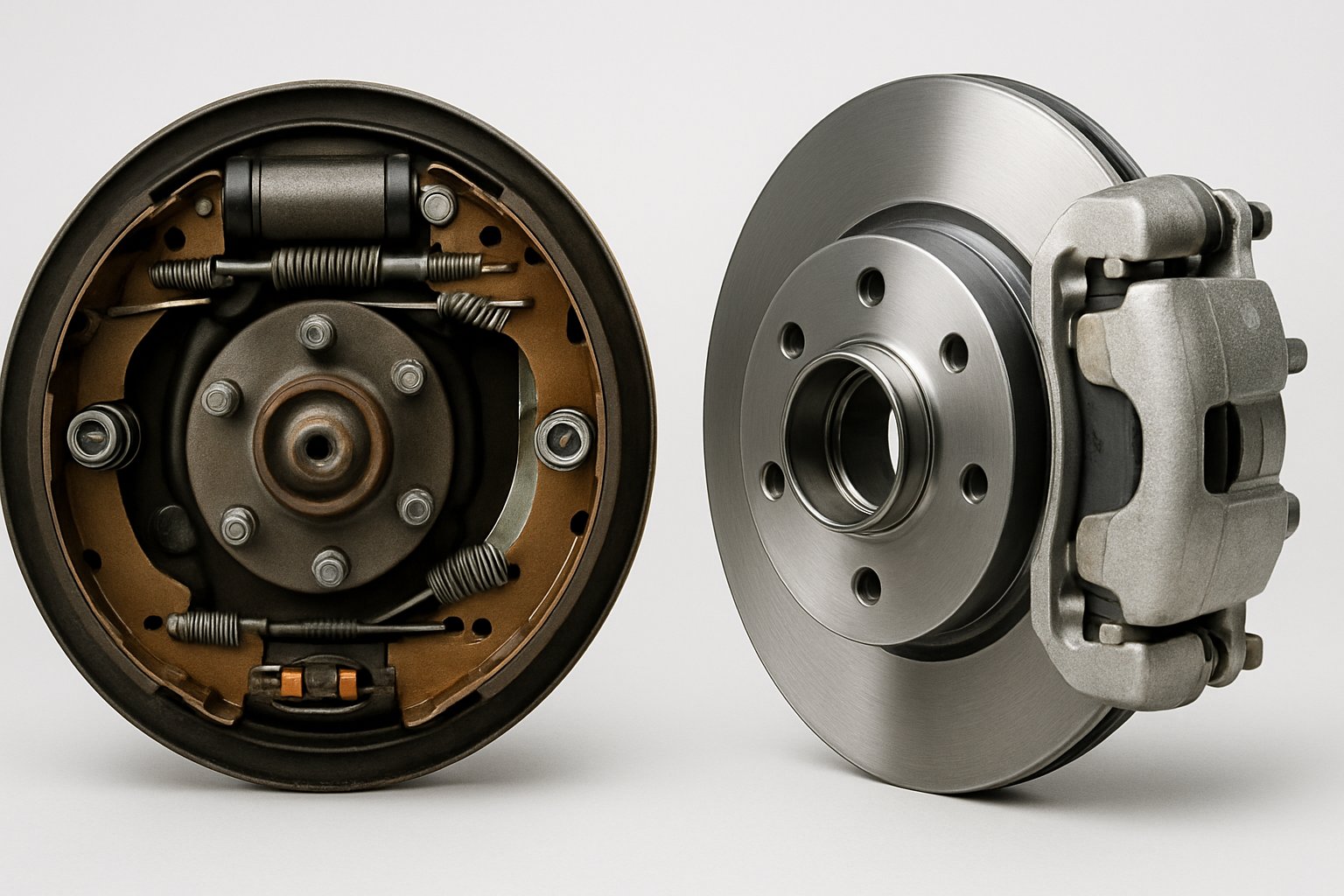
Mechanical braking systems use good old-fashioned physical force—cables, rods, levers—to create friction and slow things down. No fancy fluid, just direct connections.
How Mechanical Brakes Work
Press the brake pedal, and your force travels through a chain of cables, rods, springs, and levers. It’s all about linkages.
These parts use leverage to boost your foot’s force, sending it to the brakes at each wheel. Nothing digital or hydraulic here, just mechanics.
At the wheels, the force pushes shoes or pads against the drum or disc. Friction slows the wheels, turning motion into heat.
The harder you press, the more stopping power you get. Simple, direct, and satisfying.
Major Components
Here’s what’s in a mechanical braking system:
Brake Pedal: Where your foot does the work.
Linkage System: Cables, rods, springs, and levers carrying force from the pedal to the wheels.
Brake Drums or Discs: Spin with the wheels; shoes or pads press against these.
Brake Shoes or Pads: The friction makers.
Adjustment Mechanisms: Springs and adjusters keep everything in the right place.
All these need to be in good shape and properly adjusted, or you’re not stopping as well as you should.
Benefits of Mechanical Brakes
Mechanical brakes are great for certain jobs. They’re simple, easy to fix, and you don’t need special tools or training.
No fluid means no leaks or air bubbles to worry about. That’s why they’re so reliable for emergency and parking brakes.
Key advantages include:
- Simple design and repairs
- Lower cost than hydraulic systems
- No fluid leaks are possible
- Direct pedal feel—some folks really like that
- Perfect for parking and emergency brakes
They’re not the most powerful, but for backup or parking, they’re tough to beat. Lots of vehicles keep mechanical brakes for the handbrake, even if everything else is hydraulic.
Applications of Hydraulic and Mechanical Brakes
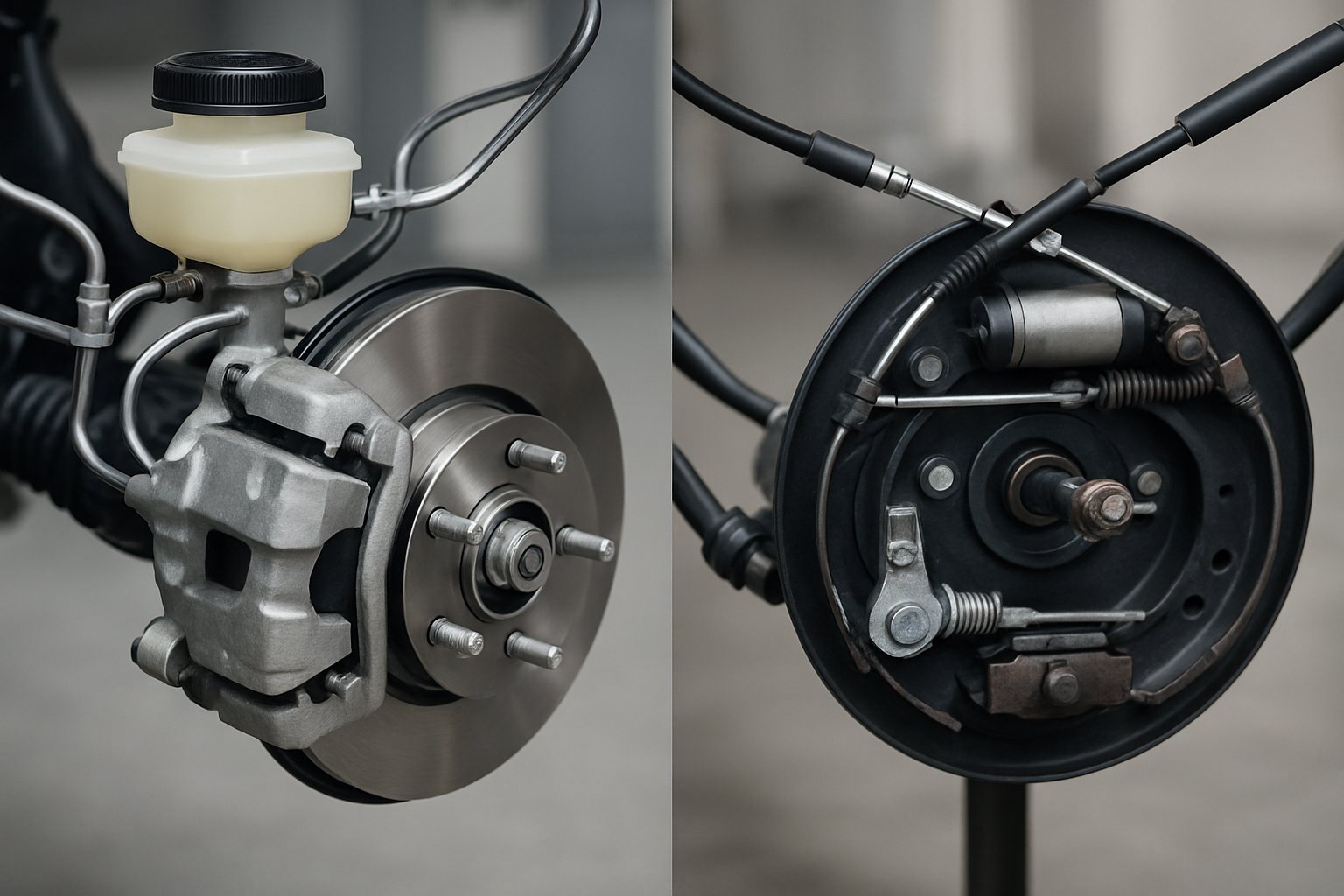
Different vehicles need different brakes, depending on their size, speed, and what they’re used for. Hydraulic brakes are the go-to for cars and light trucks, while mechanical brakes pop up in bikes and some industrial gear.
Passenger Vehicles
Most passenger cars today use hydraulic brakes. The pedal pushes fluid, and the pressure does the work.
Hydraulic brakes are standard in:
- Sedans and coupes
- SUVs and crossovers
- Minivans
- Light pickup trucks
The result is smooth, responsive braking. That’s what you want in a daily driver—or really any car, if you ask me.
Mechanical brakes are rare in modern cars. You’ll mostly find them in:
- Parking brakes (handbrakes)
- Some older vehicles
- Emergency backup systems
Most cars these days use both: hydraulic for primary braking, and mechanical for the parking brake. It’s a mix that works well and covers all the bases.
Commercial and Heavy-Duty Vehicles
Commercial vehicles definitely need more stopping power than your average passenger car. Different brake types just seem to fit certain commercial uses better.
Hydraulic brakes work well in:
- Delivery vans
- Small commercial trucks
- Service vehicles under 10,000 pounds
These vehicles get smoother operation and reliable heat control from hydraulic systems. It’s a solid match for their size and daily demands.
Mechanical brakes are used in:
- Heavy-duty truck parking systems
- Trailer brakes (combined with air systems)
- Industrial equipment, like forklifts
Large trucks and buses don’t usually stick with just hydraulic or mechanical setups. Pneumatic (air) brakes are the go-to, since they handle heavy loads and constant stopping really well.
Special-Purpose Vehicles
Specialized vehicles? They’ve got their own braking quirks, shaped by the jobs they do and the places they work.
Mechanical brakes are common in:
- Bicycles and motorcycles
- Agricultural equipment
- Mining machinery
- Off-road construction vehicles
Dusty, rough, or extreme environments make mechanical systems the more dependable choice. Hydraulic setups just don’t hold up as well there.
Hydraulic brakes are used in:
- Racing cars (for precise control)
- Marine vehicles
- Aircraft ground equipment
- High-performance motorcycles
Racing needs quick response and fine-tuned control. Hydraulic brakes let drivers push the limits and still keep things in check at high speeds.
Some special vehicles mix brake types for safety. Large aircraft, for example, have both hydraulic and mechanical backup systems.
Maintenance and Troubleshooting
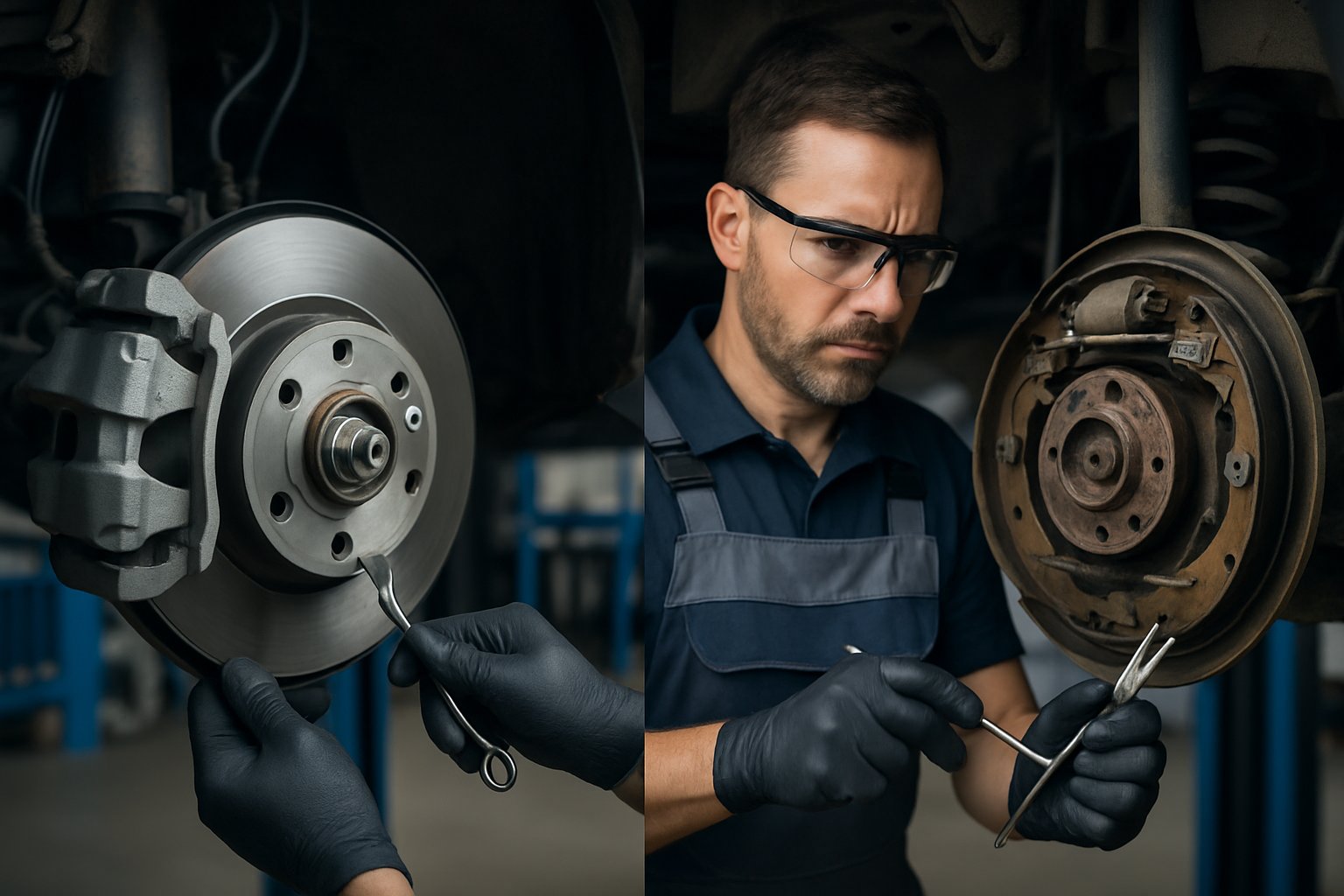
Hydraulic brakes deal with stuff like fluid leaks and air bubbles. Mechanical brakes? They’re more likely to have cable stretching or adjustment headaches. Each system needs its own approach to diagnosing and fixing problems.
Common Issues in Hydraulic Systems
Brake fluid leaks are everywhere with hydraulics. You’ll spot them at the lines, calipers, or master cylinder—sometimes there’s just a puddle under the car, or the brake pedal feels weird and spongy.
Air in the brake lines is another big one. If air sneaks in, the pedal goes soft or straight to the floor. This usually happens if the fluid gets low or after brake work.
Common hydraulic problems include:
- Brake fluid contamination from moisture
- Worn brake pads are causing caliper damage
- Failed master cylinder seals
- Corroded brake lines
It’s smart to check brake fluid every month. The fluid should look clear—not dark or murky. Swapping it out every two years helps keep water damage away.
Bleeding the brakes gets rid of air in the system. Start with the wheel farthest from the master cylinder. You’ll need a helper and the right brake fluid for this job.
Typical Mechanical Brake Problems
Cable-operated brakes come with their own set of issues. Cable stretching tops the list—over time, cables just lose their tension.
Adjustment problems show up pretty often too. The shoes or pads drift away from the drums or rotors, which means you end up pressing the pedal farther with less stopping power.
Key mechanical brake issues:
- Frayed or broken cables
- Seized brake adjusters
- Worn return springs
- Corroded pivot points
I check cable tension by seeing how far the pedal travels. Most mechanical brakes need a tweak every 3,000 miles or so. Lubricating pivot points with high-temp grease helps them last.
If a cable is fraying or kinked, it’s time for a replacement. New cables should move smoothly, with no binding. Make sure all springs snap the brakes back when you let go.
Advancements and Innovations in Vehicle Braking
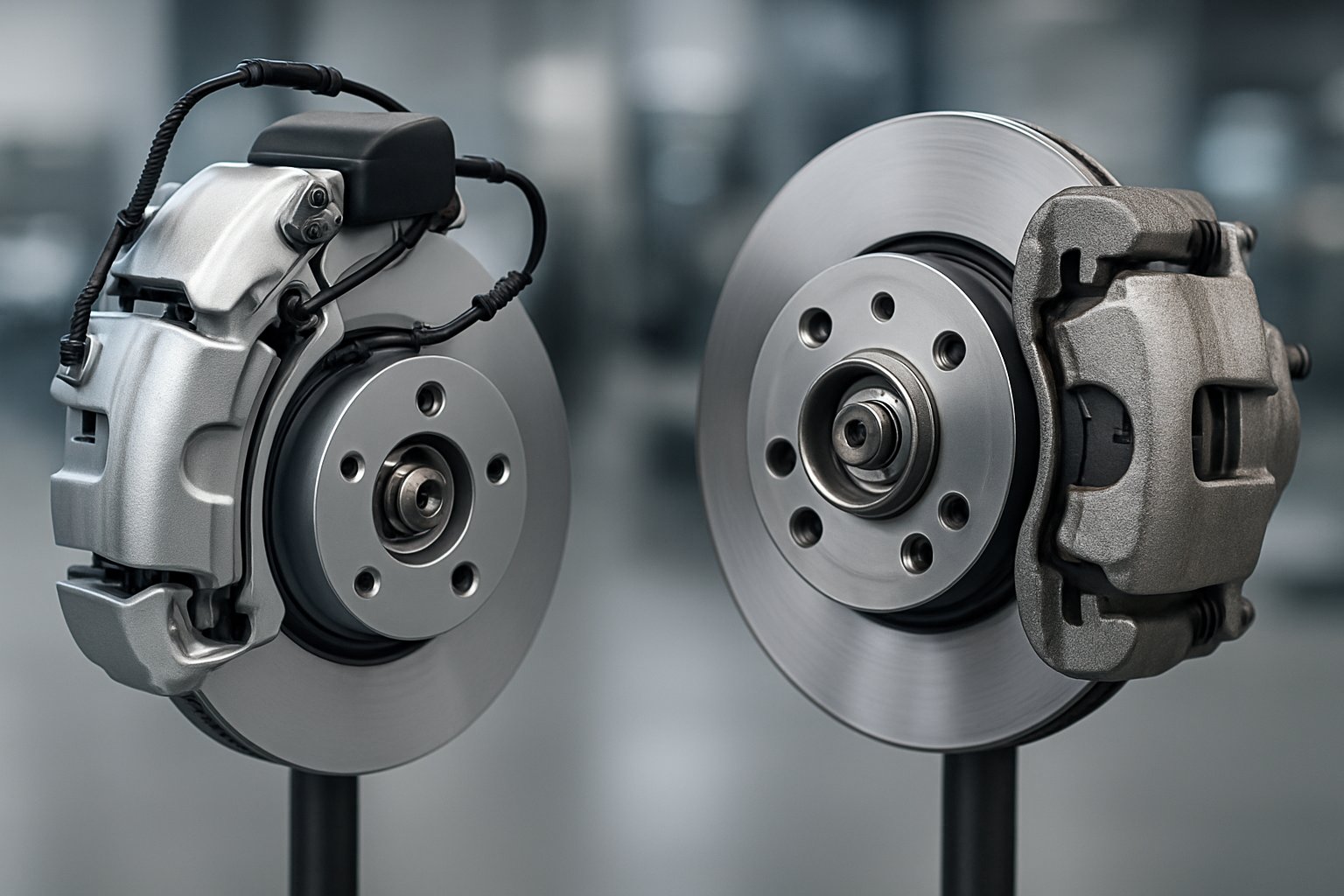
Braking systems have come a long way. Both the classic mechanical setups and the new electronic stuff have seen big upgrades. It’s made driving safer and, honestly, a bit less stressful.
Improvements in Traditional Systems
Traditional brakes aren’t what they used to be. Drum and disc brakes now use better, longer-lasting materials, which is a relief for anyone who hates noisy, dusty brakes.
Materials have improved significantly. Today’s pads are made with ceramic and semi-metallic compounds. They handle heat way better than the old asbestos ones and don’t make as much mess or noise.
Disc brakes now work better in all conditions. Vented rotors pull heat away faster, which helps prevent fade when you slam the brakes. Cross-drilled and slotted rotors also help with cooling and getting rid of water.
Hydraulic systems feel more responsive these days. Brake fluids resist moisture better, and improved master cylinders and lines give more consistent stopping power.
Maintenance has become easier, too. There are wear indicators now, so you know when to swap pads. Drum brakes have self-adjusting features, so less fiddling is needed.
Integration with Modern Technologies
Modern cars are loaded with electronic safety features. Braking systems are no exception, and I’ve noticed these are pretty much everywhere on new models.
Anti-lock Braking Systems (ABS) prevent wheel lockup. ABS keeps you in control during hard stops. It’s especially handy on slick roads and helps you steer while braking.
Electronic Brake Distribution (EBD) manages brake force. EBD sends the right amount of pressure to each wheel, based on weight and road conditions. It works with ABS for even better safety.
Brake-by-wire systems replace mechanical connections. These use electronic signals instead of hydraulics. They react faster and work with driver aids. Some electric cars use them for regenerative braking, which is pretty cool.
Modern systems also tie into stability control and collision avoidance tech. All these features work together, aiming to stop accidents before they even start. Makes you wonder what’s next, right?
Future Trends in Automotive Braking Systems
There are some big shifts happening in how cars stop. Most of these changes revolve around safety, efficiency, and smarter tech.
Regenerative braking is popping up everywhere in electric vehicles. Instead of wasting energy, this system grabs it during braking and stores it in the battery.
That extra energy means you squeeze out a bit more range per charge. Not bad, right?
Electronic braking systems are kind of taking over from old-school hydraulics. Digital controls react quicker than mechanical parts ever could.
Plus, they play nicely with all those computer-driven safety features modern cars love.
AI-integrated emergency braking is another leap forward. Sensors and cameras keep an eye out for trouble.
If something dangerous pops up, the car can hit the brakes for you. It’s already prevented plenty of accidents—just look at the stats.
Key Market Growth:
- Market size: $50 billion in 2025
- Expected growth: 6% per year
- Projected value: $80 billion by 2033
Brake-by-wire systems ditch the old physical link between pedal and wheel. Everything’s handled by electronic signals now.
Honestly, it makes braking feel sharper and more consistent.
There’s also smart braking integration. Brakes can now talk to autonomous driving systems.
So, if you miss something, the car might stop itself. This stuff works alongside other safety tech, making the whole package tighter.
Material improvements are worth a nod. New brake compounds last longer and bite harder.
They also cut down on dust and that annoying squeal. Little things, but they add up.



Leave a Reply