That high-pitched squeal coming from your brakes when you slow down isn’t just annoying—it’s your car trying to get your attention. Most drivers shrug it off, but honestly, understanding what’s behind that noise can save you money and maybe even keep you safer out there.
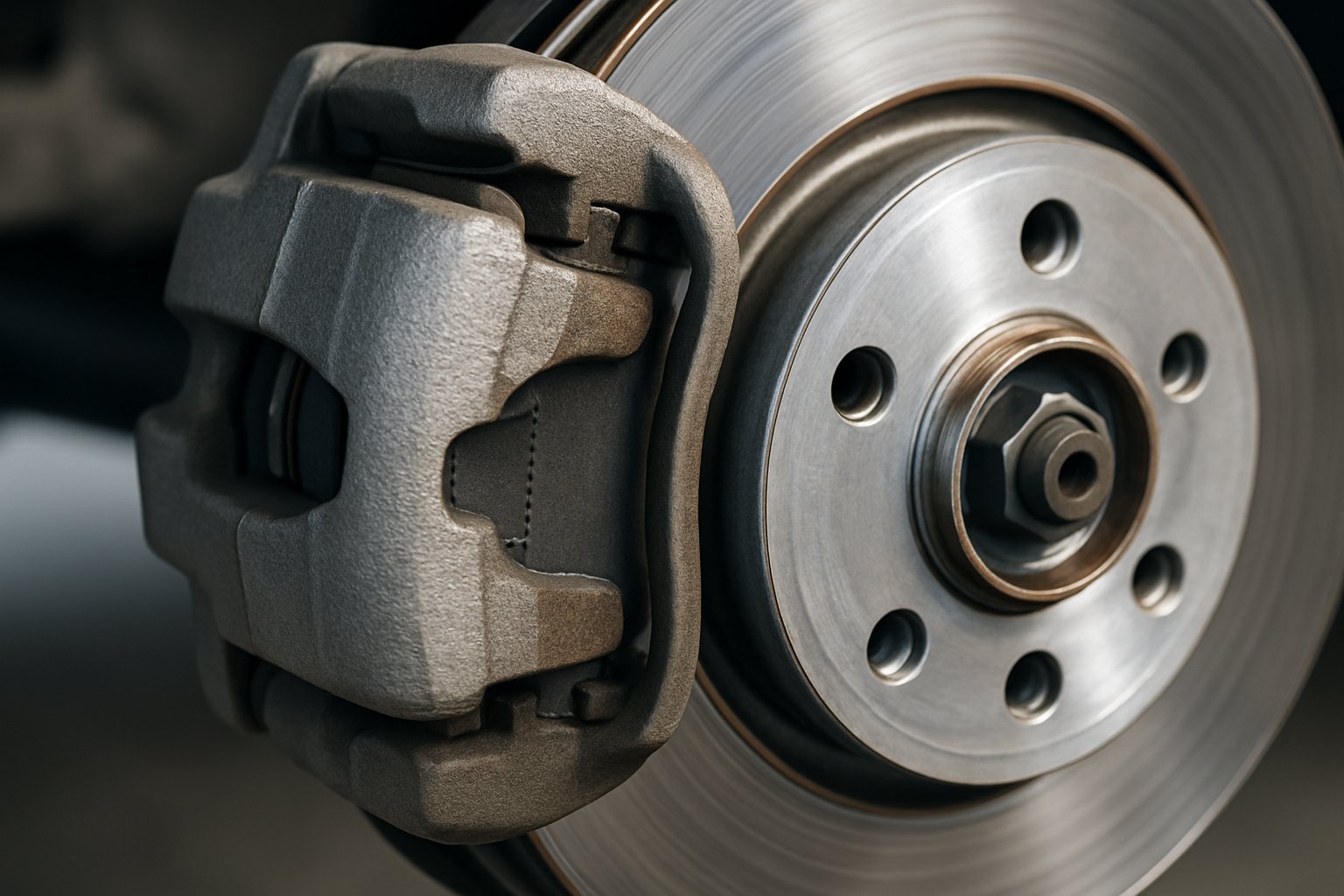
The most common reason your brakes squeal? Worn brake pads. They’ve got these little metal wear indicators that make noise when they touch the rotor.
But that’s not the whole story. Brake squeal can also happen because of things like the weather, your driving habits, or even the design of your brakes.
Common Causes of Brake Squeal
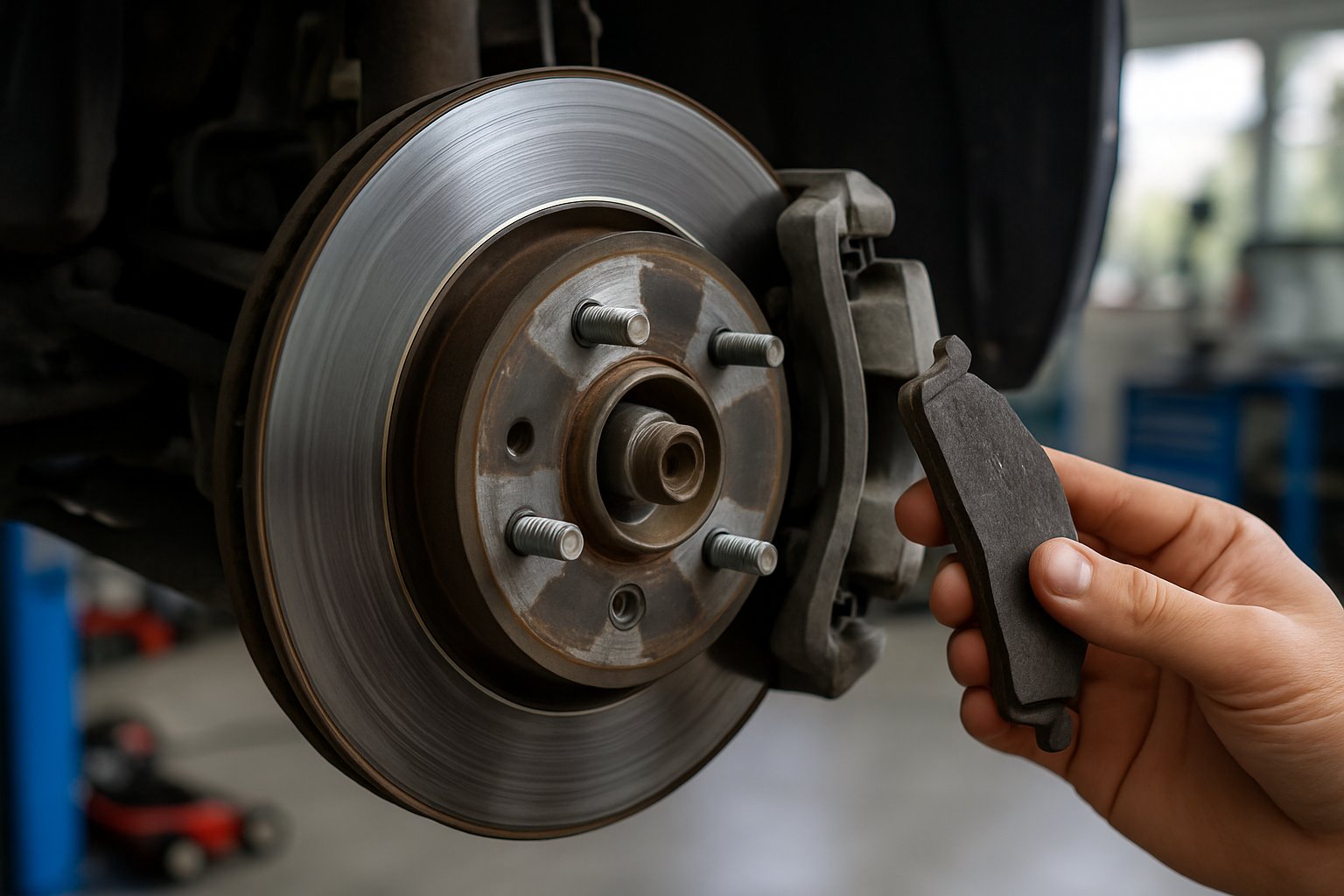
Brake squeal usually comes from four main things: worn brake pads, glazed surfaces from too much heat, dust and debris, or not enough lubrication on moving parts.
Worn Brake Pads
Worn brake pads are the most common reason for brake squeal. Most pads have these tiny metal tabs built in as wear indicators.
When those pads get thin, the tabs touch the rotor and make that high-pitched squeal. It’s basically your car’s way of saying, “Hey, change these soon.”
Warning Signs:
- That classic squeal when braking
- Grinding if things get really bad
- The brakes are not working as well
- Pad thickness under 1/4 inch
If you ignore the squeal, the pads can wear all the way through. At that point, you’re risking real damage—think expensive rotor repairs and ugly grinding sounds.
Those wear indicators are an early warning system. When you hear squealing, it’s time to check your pads. Waiting too long? That’s how a cheap fix turns into a pricey one.
Glazed Rotors or Pads
Glazing happens when your brakes get too hot and the surfaces turn hard and shiny. Usually, it’s from hard braking or riding the brakes down a hill.
With glazed pads or rotors, you lose friction. Instead of gripping, they vibrate, and that’s another way squealing starts.
Common Glazing Causes:
- Lots of hard stops
- Riding the brakes on long descents
- Cheap brake pad materials
- Carrying heavy loads
You can spot glazing by looking for a shiny, almost mirror-like surface. A healthy rotor should look kind of matte, with some light grooves.
Glazed brake pads usually need to be replaced. If the rotors aren’t too thin, they can sometimes be resurfaced.
Dust and Debris Accumulation
Brake dust is just a part of driving—pads and rotors wear down, and the dust collects. But dirt, leaves, and random road junk can build up too.
All that stuff creates an uneven surface, which leads to vibrations and, yep, squealing. It’s sort of like having sandpaper in there.
Types of Debris:
- Brake dust from pads
- Road salt and grime
- Leaves and organic bits
- Metal particles from rotors
Cleaning your brakes with a brake cleaner spray usually helps. It gets rid of the gunk without harming anything important.
Regular cleaning goes a long way. Every few months or after dusty drives, it’s worth a quick check. If you’re seeing a lot of dust, your pads might be wearing out faster than normal.
Inadequate Lubrication
Brakes have moving parts that need the right lube. If they’re dry, metal rubs on metal, and you get that squeal.
Caliper slide pins are a big deal—they need to move freely for even pad wear. If they’re dry or rusty, you’ll get binding and uneven pressure.
Lubrication Points:
- Caliper slide pins and bushings
- Pad backing plates and shims
- Caliper bracket contact spots
- Anti-rattle clips and hardware
Only use brake-specific lubricants. Regular grease just attracts dirt and can’t handle the heat.
Lubricating these spots during pad changes helps keep things quiet and smooth.
If the lube looks crusty or is just missing, that’s a problem. Fresh brake lube is thick and usually copper or silver in color.
Types of Brake Noises and Their Meanings
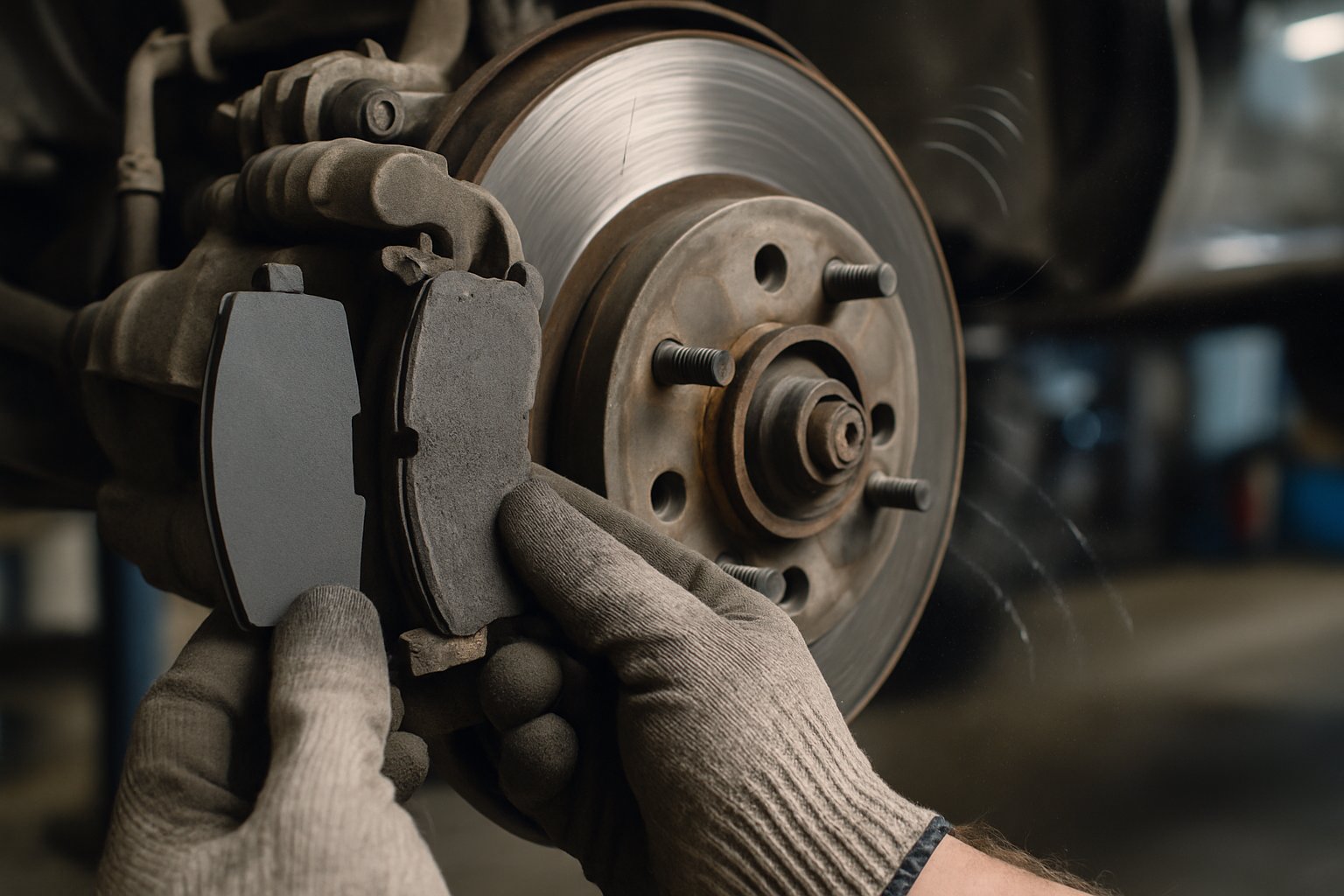
Different brake noises mean different things. A high-pitched squeal usually points to worn pads or maybe some moisture, while grinding means metal-on-metal, and you shouldn’t wait on that.
High-Pitched Squeal
This is the noise I hear most often. It usually happens when pads get low and those wear indicators start scraping the rotor.
The metal tabs are there to make noise on purpose—so you know it’s time for new pads. Annoying, but useful.
Squealing can also pop up after rain or if your car’s been sitting. A little rust forms on the rotors, and it’ll squeal until it wears off.
Common causes of squealing:
- Pads worn down to wear indicators
- Rust or moisture on rotors
- Cheap pad materials
- Brake dust buildup
If the squeal just started, it’s not usually dangerous, but I’d still get it checked out within a few days to be safe.
Grinding Sounds
Grinding is bad news. That means the pads are gone, and metal is grinding on metal.
What’s happening is that the pad backing plate is rubbing directly on the rotor. That can ruin your rotors fast and costs way more to fix.
If you hear grinding, stop driving and get it looked at. Grinding means something’s seriously wrong, and you don’t want to mess around with your brakes.
What grinding sounds indicate:
- No pad material left
- Damaged rotors
- Possible brake failure
- Big repair bills ahead
Grinding brakes mean longer stopping distances and more risk for everyone. Don’t ignore it.
Rattling or Clicking
Rattling or clicking usually means something’s loose, not necessarily worn out. You’ll hear it when you press or let off the brakes.
Loose anti-rattle clips, springs, or caliper bolts can make a racket. Sometimes clicking means your rotors are warped or your pads are wearing unevenly.
Common sources of rattling and clicking:
- Loose anti-rattle hardware
- Worn caliper parts
- Warped rotors
- Uneven pad wear
Not as urgent as grinding, but loose parts can cause uneven braking or wear out other stuff faster. Worth getting checked before it gets worse.
Effects of Driving Habits on Brake Squeal
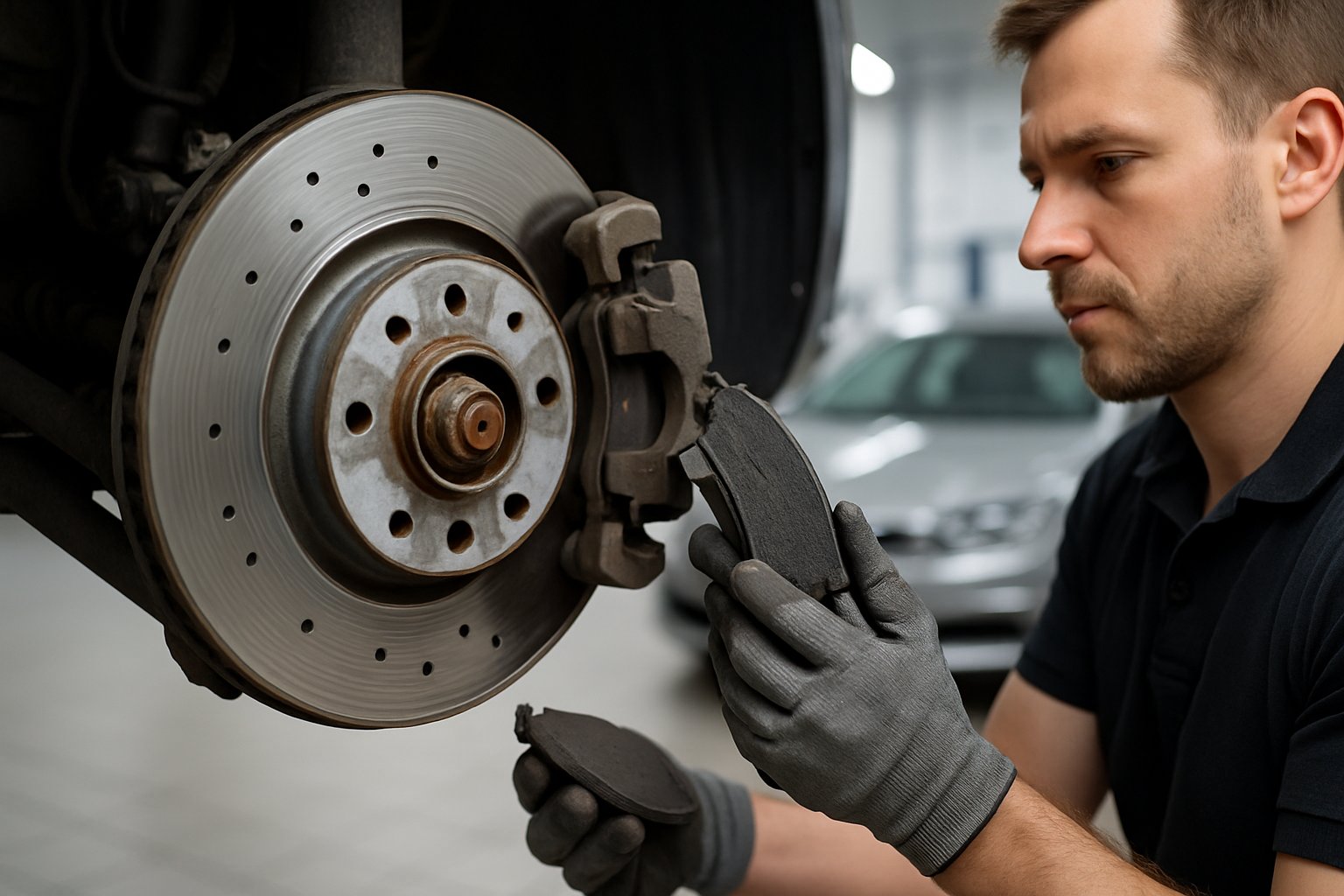
How you drive really does make a difference in whether your brakes squeal. Hard stops, lots of short trips, or riding the brakes can all make noise worse and wear things out faster.
Frequent Hard Braking
Slamming on the brakes creates a ton of heat and stress on your pads and rotors. That heat can harden the pad material or glaze it over.
Glazed pads don’t grip right. Instead, they just slide and squeal.
Common causes of frequent hard braking:
- Tailgating
- Not watching traffic
- Speeding
- Rushed driving
Hard braking chews through your pads quicker, too. Thin pads are more likely to vibrate and squeal.
And the heat from those stops can warp your rotors, which makes everything noisier.
Short-Distance Trips
Lots of short trips mean your brakes never get up to temperature. Cold brakes tend to squeal because the pad material isn’t warm enough to work smoothly.
Moisture can build up on the rotors, especially if it’s humid or rainy. That little bit of rust causes squealing until it gets burned off.
Your pads need some heat to grip the rotors properly. Without it, they can vibrate or chatter.
Effects of cold brakes:
- More pad vibration
- Poor friction
- Rust and moisture
- Harder pad material
Short trips also don’t give your brakes enough time to clear off debris from the rotors.
Riding the Brakes
Keeping your foot on the brake pedal, even lightly, creates constant friction. That means heat and faster wear.
Riding the brakes keeps pads in contact with the rotors all the time. They overheat, glaze, and start to squeal or even grind.
Constant pressure also means your brakes don’t get a chance to cool off. Hot brakes are way more likely to squeal and make noise.
Problems from riding the brakes:
- Pad glazing from the heat
- Uneven rotor wear
- Weaker braking power
- Constant squealing or grinding
This one’s common in hilly areas or stop-and-go traffic. Instead of riding the brakes, try using engine braking or pumping the brakes in short bursts to keep things cooler.
Environmental and Weather Factors
Weather does a number on brakes, honestly. Moisture, temperature swings, and all those road chemicals—each one messes with how brakes work and sound.
Humidity and Rain
Rain and humidity let moisture build up on brake rotors. That means you get a thin rust layer overnight or whenever it’s wet out.
When I hit the brakes, the pads scrape right over that rust. It’s a squeal or a squeak—sometimes surprisingly loud, especially first thing in the morning.
This type of squealing usually fades fast. Once the brakes warm up, the rust is gone, and so is the noise.
Common moisture sources:
- Morning dew
- Rain puddles
- High humidity
- Snow or slush
If I want to cut down on moisture-related squeal, parking in a garage helps. Storing the car in a climate-controlled spot can keep rust off the rotors, too.
Temperature Extremes
Cold weather really makes brake squealing worse. Metal contracts in the cold, changing how brake parts fit together—sometimes not for the better.
Cold mornings often bring out the squeaks and squeals. Pads get harder and less flexible when it’s chilly.
Pad material matters:
- Semi-metallic pads: Squeal more in cold weather
- Ceramic pads: Quieter during temperature changes
- Organic pads: Somewhere in between on noise
Hot weather isn’t totally innocent, either. Brakes that get too hot can glaze over, and then you’ll hear squealing, too.
Road Salt and Chemicals
Winter road salt and de-icers stick to brake parts. They speed up rust and rough up the rotors.
Salt acts like gritty sandpaper between pads and rotors. That grinding causes squealing and can chew up brake parts faster than you’d think.
Effects of road chemicals:
- Faster corrosion of metal parts
- Rough, uneven rotor surfaces
- More brake pad wear
- More squealing, more often
Washing my car regularly in winter helps get rid of salt. I always try to spray out the wheel wells and brake areas—otherwise, the squeal just keeps coming back.
Differences Between Brake Systems
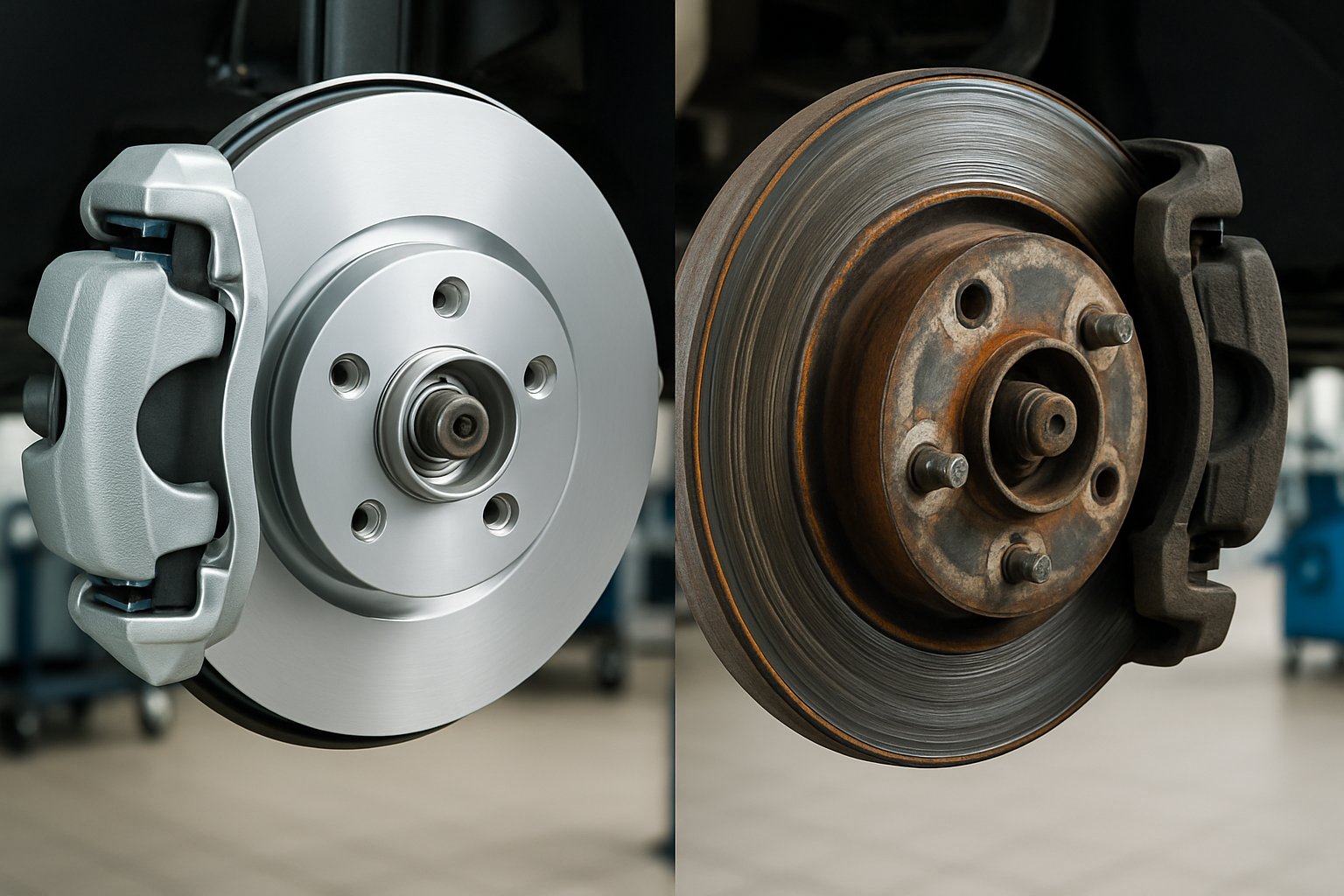
Not all brake systems squeal the same way. The pads and rotors your car uses play a big part in how often you hear that noise and what actually fixes it.
Disc Brakes vs. Drum Brakes
Disc brakes use flat pads pressing on a metal disc (the rotor). Most modern cars have these—they cool off faster and handle rain better.
Drum brakes are a bit old-school. They use curved shoes pressed outward against the inside of a drum, usually on the rear wheels of older or budget models.
Squealing differences between the two systems:
| Brake Type | Common Squeal Causes | Sound Characteristics |
|---|---|---|
| Disc | Worn pads, glazed rotors, dust buildup | High-pitched, loud squealing |
| Drum | Worn shoes, dust, moisture | Lower-pitched grinding or squeaking |
Disc brakes tend to squeal more because the pads are exposed and pick up dust. They’ve got wear indicators that make a loud squeal when the pads get thin—hard to miss.
Drum brakes are quieter most days, but when they do make noise, it’s a deeper grind. They trap dust and moisture inside, which brings its own set of problems.
Ceramic vs. Semi-Metallic Pads
Brake pad material really changes the noise game.
Ceramic pads have ceramic fibers and copper. In my experience, they make less dust and run quieter. Great for daily driving, but they’re pricier.
Semi-metallic pads are packed with steel wool and iron. They last longer and handle heat, but they’re definitely noisier.
Key differences in squealing:
- Ceramic pads: Squeal mostly when cold or wet, higher-pitched
- Semi-metallic pads: Squeal from metal fibers, raspier sound
Ceramic pads don’t squeal often, but when they do, it’s a sharp noise. Premium ceramics with anti-squeal shims can help a lot.
Semi-metallics squeal more, thanks to all that metal. They really need special grease and shims to keep them quiet.
Diagnosing Squealing Brakes
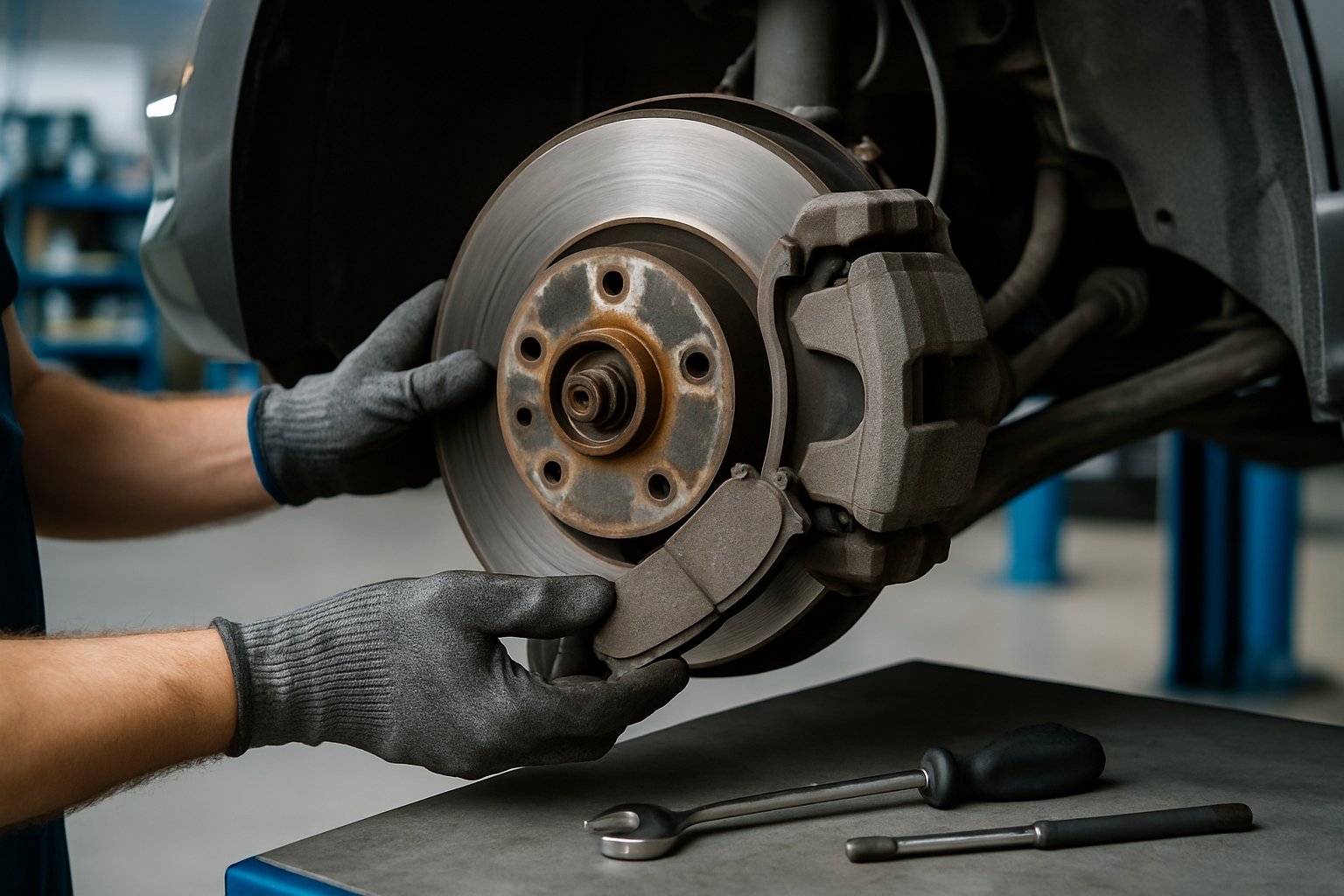
Honestly, tracking down the cause of brake squeal takes a bit of detective work. You’ve got to check the parts, listen while driving, and know what each noise means.
Visual Inspection Methods
First thing, I look at my brake pads. Usually, you can see them right through the wheel spokes.
The pad should be at least 1/4 inch thick. If it’s thinner, there’s a good chance that’s your squeal.
I check for these signs:
- Brake pad thickness: Less than 1/4 inch? Time to replace.
- Rotor condition: Deep grooves or rust spots
- Brake dust: Excess dust around the wheel
- Hardware issues: Missing or broken clips and springs
Then I feel the rotors should be smooth. Any deep scratches or rough patches mean the rotor needs work.
Sometimes, moisture in the brake system is the culprit. Water spots or rust after rain, or if the car’s been sitting, show up a lot.
Test Driving for Symptoms
Driving in different situations helps pin down the squeal. I start slow and brake gently—if it squeals right away, it’s probably worn pads or dust buildup.
Then I try out a few other scenarios:
| Driving Condition | What It Tells Me |
|---|---|
| First drive of the day | Moisture or rust on rotors |
| After heavy braking | Overheated brake components |
| Light brake pressure | Worn pad indicators |
| Hard braking | Glazed pads or rotors |
If the squeal stops after a few brake uses, rust on the rotors was probably it.
Listening Techniques
Brake noises say a lot if you pay attention. A high-pitched squeal almost always means worn pads—most have metal indicators that make that noise on purpose.
Common brake sounds and what they mean:
- High-pitched squeal: Worn brake pads
- Grinding noise: Metal-on-metal contact
- Squeaking after rain: Temporary rust
- Chirping: Dust or debris
If I only hear squealing when braking, it’s likely pad trouble. If there’s noise while rolling, even without braking, warped rotors might be to blame.
Loud, constant squealing? That’s urgent. Light squeaks usually just need cleaning or a quick checkup.
Solutions for Eliminating Why Do My Brakes Squeal
Most brake squeals can be fixed with new parts, a good cleaning, or just some professional TLC. The trick is figuring out what’s actually causing the noise in the first place.
Replacing Brake Components
Worn pads cause most brake squeals. I always check pad thickness first.
When to replace brake pads:
- Less than 3mm thick
- Wear indicators touching rotors
- Deep grooves or uneven wear
Cheap pads with lots of metal are loud. I go for quality pads made for my car—it’s worth it.
Warped or damaged rotors also make noise. If braking makes the car shake or you see screeching, that’s a sign.
Rotor replacement signs:
- Grooves deeper than 1mm
- Blue spots from overheating
- Too thin for manufacturer specs
I swap out old brake hardware when I do pads. Worn clips and springs lose their grip and can add to the noise.
Cleaning and Lubrication
Cleaning off dust and debris helps a lot. I clean my brakes every few months or so.
How I clean brakes:
- Take the wheels off
- Spray brake cleaner on pads and rotors
- Wipe with a lint-free cloth
- Let everything dry before putting it back together
Proper lubrication is key. I use high-temp brake grease, but only on the right spots.
Where to lubricate:
- Back of the pads (never on the friction side!)
- Caliper slide pins
- Pad hardware contact points
Never use regular grease—it can’t handle the heat and just causes more problems down the road.
Professional Brake Inspection
Some brake issues are just too tricky for DIY fixes. When the basics don’t cut it, I book a professional inspection.
Mechanics use tools I don’t have, like gauges for measuring rotor thickness or pad wear. They spot stuff I might easily overlook during a quick peek.
Professional Services Include:
- Brake fluid testing and replacement
- Caliper inspection and rebuilding
- System bleeding and adjustment
- Anti-squeal compound application
Honestly, I think it’s smart to get your brakes checked out by a pro once a year, even if nothing seems wrong. Catching problems early saves money and, more importantly, keeps you safe.
Most shops back their work with a warranty. That little bit of assurance goes a long way if something goes sideways with parts or installation.
Preventative Maintenance Tips
Every 12,000 miles, I give my brakes a look. I usually pick ceramic pads instead of metallic—they’re quieter and help stop squealing before it starts.
Regular Brake System Checks
It’s worth checking the brake system regularly. I peek at my brake pads every 12,000 miles, or sometimes just during oil changes if I remember.
Monthly Visual Checks:
- Glance through the wheel spokes at the brake pads
- Pop the hood and check the brake fluid level
- Listen for any weird sounds when you hit the brakes
Honestly, having a professional brake inspection every six months isn’t overkill. It can catch worn parts before they start making noise.
Watch out for these warning signs:
- The brake pedal feels spongy
- The car pulls to one side when braking
- Grinding or squealing sounds
Every few months, I clean off my brake components. It helps keep things quiet and running smoothly—plus, less dirt means fewer surprises down the road. Here’s a tip: clean brakes are happy brakes.
Selecting Quality Brake Parts
I usually go for ceramic brake pads. They just seem quieter than metallic ones, and I can’t stand that annoying squeal.
Quality brake pads designed to minimize noise tend to last longer, and honestly, they just feel better when you drive.
Brake Pad Comparison:
| Pad Type | Noise Level | Cost | Lifespan |
|---|---|---|---|
| Ceramic | Low | High | 70,000 miles |
| Semi-metallic | Medium | Medium | 50,000 miles |
| Organic | High | Low | 25,000 miles |
I steer clear of cheap brake pads from brands I’ve never heard of. They usually use harder materials, which means more squealing and faster wear—no thanks.
When it’s time to swap out brake parts, I try to match them with how and where I drive. City traffic? Highway cruising? It actually makes a difference.
I’ll usually check in with my mechanic to see what they recommend for my car and driving habits. Feels better to get a second opinion, honestly.